Table of Contents
- What is an Encoder? Let’s Break It Down
- How Does an Encoder Work?
- Types of Encoders Explained
- Where Are Encoders Used?
- Why Choosing the Right Encoder Matters
- Conclusion: Get the Encoder That Fits Your System
Precision motion control is at the heart of modern industry. If you’re managing a robotic arm, a conveyor system, or a CNC machine, knowing exactly where components are and how fast they move is essential. This is why encoders are such critical components in automation and manufacturing.
At Encoder Technology, we supply an extensive range of encoders from leading brands including Heidenhain, Tamagawa, TWK, and Posital. Our services also include bespoke design solutions and rapid same-day delivery across the UK, ensuring your operations stay efficient and downtime is minimised.
What Is an Encoder? Let’s Break It Down
An encoder is a specialised feedback device that converts mechanical motion, such as rotation or linear movement, into electrical signals. These signals provide vital information about position, speed, and direction to control systems, enabling precise motion control.
Encoders come in different forms, including rotary encoders, which track rotational movement, and linear encoders, which measure straight-line displacement. By acting as a bridge between physical movement and digital systems, encoders are integral to ensuring accurate feedback in automation, robotics, and many other applications.
Understanding what an encoder is lays the foundation for appreciating its role in modern engineering systems.
Need to find the right encoder or a like-for-like replacement? Browse our encoder range today.
How Does an Encoder Work?
At its core, an encoder works by converting mechanical motion into electrical signals that a control system can interpret. This process provides continuous feedback about the position, speed, or direction of a moving part, making encoders essential components in closed-loop control systems.
Encoders typically consist of a rotating disc or linear scale marked with patterns that can be read by sensors. As the disc or scale moves, the sensor detects these patterns and generates pulses or signals. These electrical signals are then processed to determine precise movement information.
There are two main types of signal outputs:
- Incremental encoders generate pulses as the shaft moves, with the number of pulses corresponding to the movement distance. They provide relative position data and are often used in applications where tracking changes in position is sufficient.
- Absolute encoders provide a unique digital code for each shaft position, delivering exact position data even after power loss. This makes them ideal for systems requiring high reliability and position retention.
Understanding how an encoder works helps in choosing the right type for your specific application, ensuring optimal performance and reliability.
Types of Encoders Explained
Encoders come in various types to suit different needs. Here are the main categories you’ll encounter:
Rotary Encoders
These measure rotational motion and are commonly found in robotics, industrial machinery, and motor feedback systems. Rotary encoders can be further divided into:
- Optical encoders, which use a light source and photodetector to read patterns on a disc, offering high precision.
- Magnetic encoders, which detect magnetic fields, are often more rugged and suited for harsh environments.
Linear Encoders
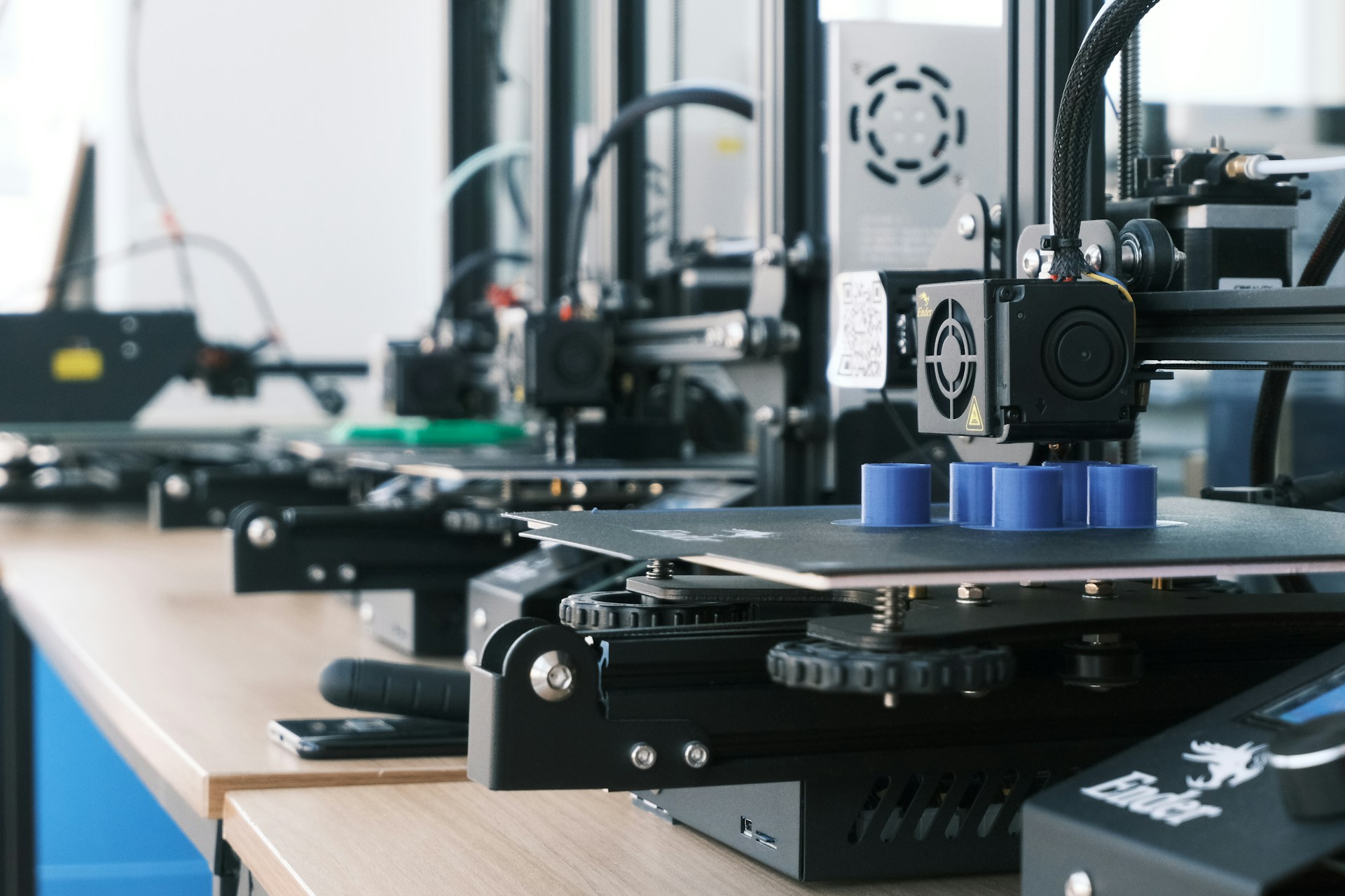
Linear encoders measure straight-line movement and are frequently used in CNC machines, 3D printers, and inspection equipment where precise linear positioning is essential.
Incremental Encoders
Incremental encoders track changes in position by generating pulse signals, making them a cost-effective and versatile choice for many automation tasks.
Absolute Encoders
These encoders provide a unique code for each position, maintaining accurate position information even during power interruptions. They are critical in applications demanding high precision and reliability.
Shaft Variants: Hollow Shaft vs Standard Shaft
Depending on installation requirements, encoders may feature single-turn or multi-turn hollow shafts, which allow a shaft to pass through, or multi-turn/single-turn standard shafts, which mount directly to the shaft. Choosing the correct shaft type affects ease of integration and system stability.
Where Are Encoders Used? (Key Applications)
Encoders play a vital role across a wide range of industries where motion control and feedback are essential. Some key applications include:
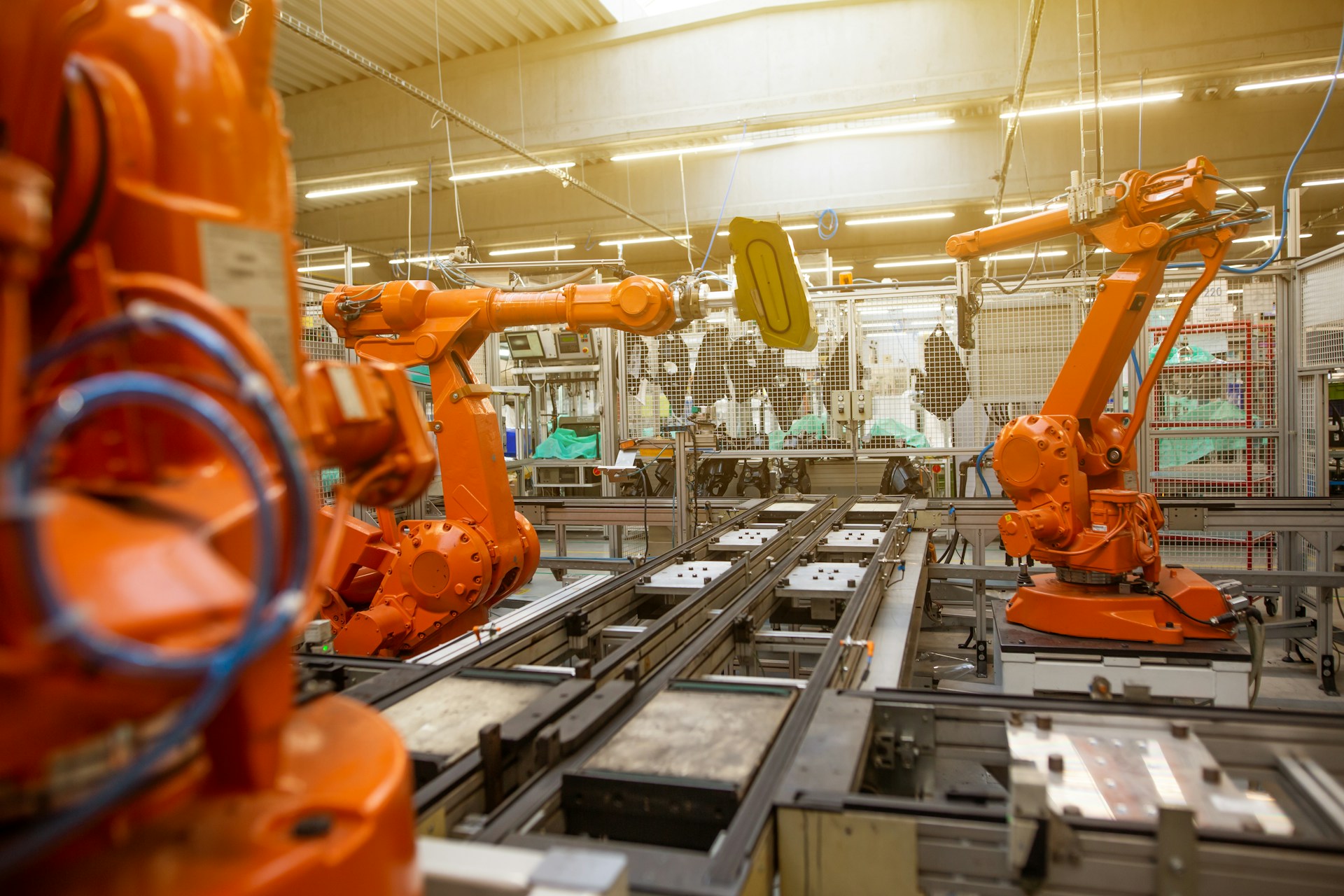
- Robotics: Encoders provide precise movement feedback for robotic arms and autonomous systems, ensuring accurate positioning and efficient task execution.
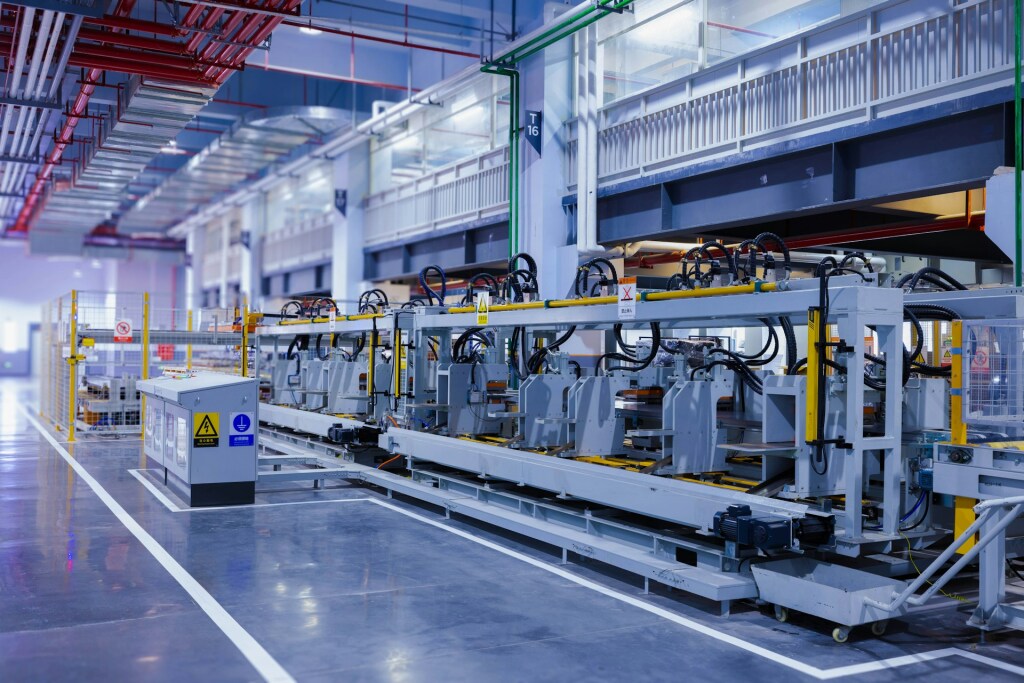
- Automation Systems: In sectors like automotive, food packaging, and pharmaceuticals, encoders help synchronise moving parts and maintain consistency in high-speed operations.
- CNC Machinery: Used for tracking both rotational and linear movement in manufacturing tools, where even minor discrepancies can lead to costly errors.
- Renewable Energy: In wind turbines and solar trackers, encoders aid in accurate orientation for maximum energy generation.
- Aerospace and Defence: Encoders support mission-critical functions in navigation, control systems, and targeting mechanisms.
- Elevators and Escalators: Used to ensure safe and smooth operation through precise speed and position feedback.
In all these fields, the right encoder ensures not just functionality, but also operational efficiency, safety, and long-term reliability.
It’s also worth noting that while standard encoder models meet many application needs, some projects call for more tailored solutions. In these cases, encoders can be designed or adapted to suit specific mechanical setups or environmental challenges, ensuring the component integrates effectively and operates reliably over time.
Why Choosing the Right Encoder Matters
Selecting the correct encoder is a critical decision that impacts system performance, maintenance, and downtime. At Encoder Technology, we help engineers and technical managers find the right fit for their systems by offering:
- A comprehensive product range from industry-leading manufacturers.
- Expert guidance on selecting between incremental and absolute encoders.
- Like-for-like replacements for outdated or failed components.
- Custom encoder designs tailored for complex or unique installations.
- Same-day UK delivery, helping minimise downtime.
If you’re building something new or replacing a faulty part, working with a supplier that understands the full picture makes all the difference.
Not sure what you need? Our experts are here to help, from product selection to installation support.
Get the Encoder That Fits Your System
So, what is an encoder? It’s a critical feedback device that bridges the gap between mechanical movement and digital control, enabling systems to operate precisely, efficiently, and safely.
Understanding the different types of encoders, how they work, and where they’re used can help you make informed decisions that improve your operations. Whether you’re developing advanced automation systems or simply replacing a legacy component, choosing the right encoder is key to maintaining control, accuracy, and reliability.
Encoders are not one-size-fits-all. Each application, from robotics and aerospace to renewable energy and manufacturing, presents its own set of technical requirements. Variables like resolution, output type, environmental conditions, shaft design, and communication protocols all play a part in determining the most suitable solution. Taking the time to match the encoder to the demands of the system ensures long-term performance, efficiency, and reduced downtime.
As motion control technology continues to evolve, so do the capabilities of encoders. Advancements in digital signal processing, miniaturisation, and integration with smart automation systems mean today’s encoders are more robust and adaptable than ever before.
By understanding the fundamentals covered in this guide, you’re better equipped to navigate the increasingly complex world of motion feedback, whether you’re specifying new hardware for a build or troubleshooting issues in existing equipment.